

SS Rajamouli The Visionary Who Dream Big Achieved Monumental Success
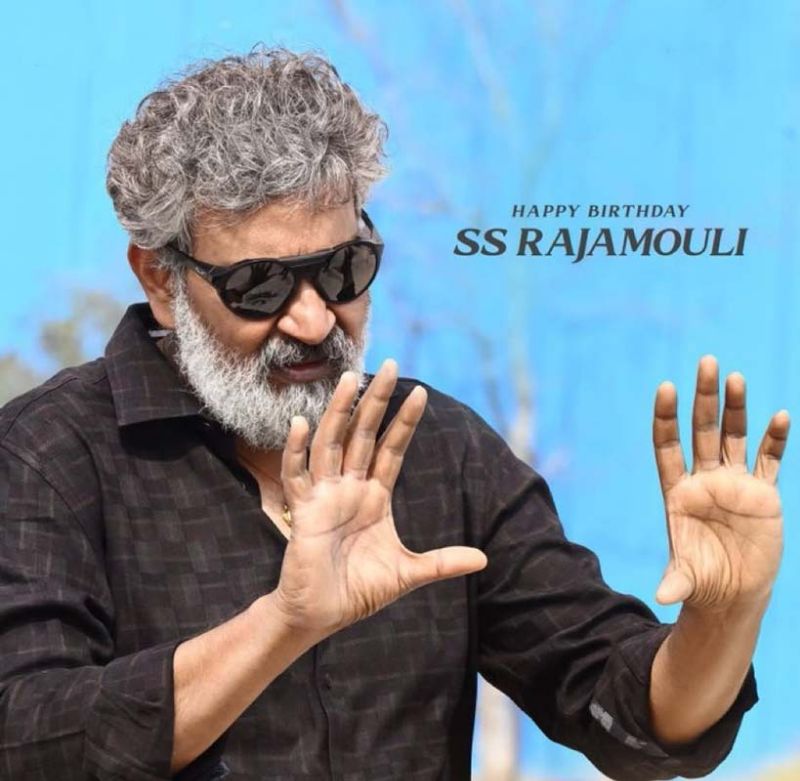
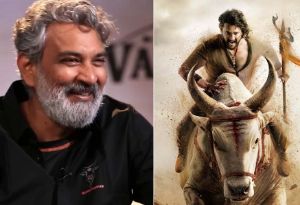
As SS Rajamouli celebrates his birthday, Indian cinema has every reason to honour a filmmaker who has consistently challenged conventions and expanded the possibilities of storytelling. Beginning his directorial journey with Student No. 1 on September 27, 2001, Rajamouli has spent 25 years transforming ambitious ideas into unforgettable cinematic experiences. His journey reflects an extraordinary understanding of audience expectations, emotional storytelling and technical innovation, establishing him as one of Indian cinema's most influential directors.
Long before becoming a celebrated film director, Rajamouli honed his storytelling instincts through television. Born into a family deeply rooted in filmmaking, with his father, V. Vijayendra Prasad, emerging as a successful screenwriter, Rajamouli grew up surrounded by stories and creative discussions. His early professional experience included directing the Telugu television serial Shantinivasam for ETV. Television taught him the importance of narrative construction, character development, dramatic pacing and sustaining audience interest across episodes. These formative experiences helped him understand the practical demands of production and the discipline required to translate ideas into compelling visual narratives. On September 27, 2001, he made his feature film directorial debut with Student No. 1, starring N. T. Rama Rao Jr., beginning a remarkable journey that would eventually take Telugu cinema to international audiences.
Happy Birthday SS Rajamouli: The Mastermind Who Redefined Indian Commercial Cinema
Rajamouli's greatest strength lies in balancing commercial entertainment with compelling storytelling. From Simhadri and Chatrapathi to Vikramarkudu and Yamadonga, he developed a distinctive filmmaking style combining powerful hero elevations, emotional conflicts, memorable characters and meticulously designed action sequences. Rather than abandoning familiar commercial elements, he refined them through stronger narratives, imaginative staging and technical excellence. His films demonstrate how mainstream entertainment can be ambitious, emotionally engaging and visually compelling without losing its connection with ordinary audiences.
With Magadheera, Rajamouli significantly expanded the scale of Telugu filmmaking, presenting a sweeping reincarnation drama that combined historical grandeur, romance and spectacular action. However, his versatility became equally evident with Maryada Ramanna, which relied on suspense, humour and character driven storytelling rather than extravagant spectacle. Eega further demonstrated his willingness to embrace unconventional ideas, building an emotionally engaging revenge drama around a housefly. These films established that Rajamouli's greatest strength was not merely mounting grand spectacles, but making audiences emotionally invest in stories that might initially appear difficult to translate into mainstream entertainment.
The Baahubali franchise became a defining milestone in Rajamouli's career and a turning point for the wider Indian film industry. With its expansive fictional kingdom, intricate family conflicts, memorable characters, elaborate production design and ambitious visual effects, the two part saga attracted audiences far beyond Telugu speaking territories. Baahubali: The Beginning and Baahubali 2: The Conclusion demonstrated the commercial potential of an Indian epic mounted on an unprecedented scale. More importantly, their success encouraged filmmakers, producers and distributors to think beyond traditional linguistic markets and recognise the possibilities of nationwide releases. Rajamouli proved that a story rooted in Indian culture could become a major cinematic event across the country.
He carried that ambition further with RRR, transforming a fictionalised historical action drama into an international cultural phenomenon. Its spectacular action, emotional friendship, larger than life heroism and distinctly Indian sensibilities connected with audiences worldwide. The song Naatu Naatu, composed by MM Keeravaani, won the Academy Award for Best Original Song, bringing unprecedented international attention to Telugu cinema. The film also earned a Golden Globe in the same category. These achievements reinforced Rajamouli's belief that Indian filmmakers need not dilute their cultural identity to appeal to global audiences. His success has helped establish Telugu cinema as an increasingly influential force in international conversations about Indian filmmaking.
As Rajamouli looks ahead to Varanasi, starring Mahesh Babu alongside Priyanka Chopra Jonas and Prithviraj Sukumaran, expectations are once again exceptionally high. The ambitious project promises to explore adventure, mythology, time travel elements and large scale visual storytelling, reflecting the director's continuing desire to venture into uncharted cinematic territory. Across 25 years, Rajamouli has evolved from a promising television professional and Telugu filmmaker into a globally recognised director whose influence extends beyond box office records and awards. His legacy lies in making commercial cinema a vehicle for imagination, emotion and cultural pride. On his birthday, CineJosh.com wishes the master storyteller a wonderful year ahead and hopes he continues breaking boundaries, inspiring generations of filmmakers and bringing greater recognition to Telugu and Indian cinema across the world.
- Veda